Stop Stamford Solar City

Our Mission
At Stop Stamford Solar City we are dedicated to preserving our beautiful local countryside and halt the expansive Kilnside Solar project - managed by Aukera UK Limited.
Our mission is to raise awareness and provide information about both the environmental and community implications of the proposed development - which would see an additional 2,500 acres of countryside covered with solar panels. This proposed solar development will adjoin the already approved Mallard Pass Scheme and the total impact of this is approximately 4,500-acres of farmland lost to glass.
Whilst we support the transition to renewable energy, we believe it’s essential to carefully consider the long-term impact on local biodiversity, heritage landscapes, and community character. Large-scale solar developments on agricultural land risk undermining our food security at a time when protecting domestic food production is more important than ever.
We advocate for smarter solutions — such as prioritising rooftop solar installations on homes, businesses, and public buildings — which harness clean energy without sacrificing the countryside that sustains us. Renewable energy and environmental stewardship must go hand in hand.

Say NO to Stamford Solar City
The development consists of two projects Mallard Pass (Essendine) and Kilnside (area around Great Casterton). A 4,500 acre industrial solar complex is being proposed to wrap around the northern edge of Stamford, reshaping the landscape on a scale rarely seen in rural England.
If approved by Central Government, this will be the largest solar site in the UK - located in the smallest County - bigger than any existing development nationwide, larger than the entire town itself—poised to turn open countryside into a sea of steel and glass.

The Scale of this Development is Staggering
▪ Almost twice the size of Rutland Water, England’s largest reservoir
▪ Equivalent to over 3,400 football pitches
▪ Larger than Hyde Park, Richmond Park and Hampstead Heath combined
This is NOT a discreet green energy project. This is Industrial. It’s a mega-installation that will transform open countryside into an industrial zone of steel and glass — permanently altering the landscape, heritage views, and biodiversity of one of England’s most historic towns.

We Support Renewable Energy. But not at any Cost...
The Stamford area deserves thoughtful, balanced solutions - NOT a blanket of solar panels stretching for miles.
This industrial sized development (covering 4,500 acres engulfing the north of Stamford) threatens to erase the character of England’s cherished countryside, replacing it with a permanent sprawl of steel and glass. It will damage historic vistas, disrupt local biodiversity and undermine the heritage of one of the nation’s most iconic towns.

A Recent Study Warns That UK Farmland Loss by 2050 Threatens National Food Security Levels
The study 'UK Food Security - Outlook to 2050' projects that up to 23% of farmland could be lost to housing, solar farms, tree planting, biodiversity projects and carbon schemes. Such a cut would reduce domestic food production on an unprecedented scale.
The report highlights slowing growth in yields and output. Unless productivity is prioritised alongside environmental goals, the UK faces a sharp drop in self-sufficiency by mid-century.
Greater reliance on imports would expose households to rising prices and supply chain shocks, hitting lower-income families hardest. It would also export the environmental cost of food production abroad, where biodiversity and climate impacts may be greater.
Read the full articles here:
1. UK farmland loss by 2050 threatens national food security levels | The Scottish Farmer
2. DerrickWilkinson | Farmland losses risk food security crisis
3. Farmland loss puts UK food security at risk, study warns - Farmers Weekly

Kilnside Energy Park Timetable and Installed Equipment
From information provided by Aukera we have pulled together a draft timetable showing the indicative schedule of upcoming milestones and events.
As the proposed development includes battery storage and associated infrastructure, we've provided an overview of the planned equipment to offer greater clarity on what will be installed.
You can download the proposed Timetable and Installed Equipment document from the Useful Information section below (scroll down).
Source: Dimensions taken from EIA Scoping Report.

A recent Solar Design Workshop took place on the evening of Thursday, 16th October at Great Casterton Church Hall between Aukera UK and their PR Firm.
A recent Solar Design Workshop took place on the evening of Thursday, 16th October at Great Casterton Church Hall between Aukera UK and their PR Firm.
A recent Solar Design Workshop took place on the evening of Thursday, 16th October at Great Casterton Church Hall between Aukera UK and their PR Firm.
The meeting was held to discuss the proposed 2,500 acre solar development at Kilnside, where invitations were hand delivered only to selected households in close proximity to the development site, resulting in a modest turnout.
While attendance was limited, the session provided lively discussions as attendees voiced frustration over unansw
The meeting was held to discuss the proposed 2,500 acre solar development at Kilnside, where invitations were hand delivered only to selected households in close proximity to the development site, resulting in a modest turnout.
While attendance was limited, the session provided lively discussions as attendees voiced frustration over unanswered questions, particularly around future ownership the lack of clarity and guarantees on Aukera’s long-term responsibility. The absence of unresolved questions led to unease and distrust among many regarding the project's future, should it receive Government approval.
The Workshop gave an opportunity for attendees to provide limited feedback into the plans, such as the inclusion of bridleways and cycle tracks. One of the most pressing concerns voiced by residents was the sheer scale of the proposed development, especially its unsettling proximity to the already approved Mallard Pass solar farm – which would have a massive cumulative effect on the region. If sanctioned, this would effectively encase the northern edge of Stamford in an unbroken expanse of reflective panels — a vast sea of glass stretching across approximately 4,500 acres of landscape, transforming the edges of the town’s rural character into something unrecognisable.
Following recent boundary adjustments, one landowner has withdrawn a portion of land from the proposal due to existing covenants, making its inclusion commercially unfeasible. However, this has been offset by the addition of new land, primarily extending across the A1, ensuring the overall scope of the project remains robust.
With recent national media coverage highlighting ethical concerns around forced labour and solar panel manufacturing practices in China, questions about the origin of the panels remained unresolved. It was however confirmed by Aukera that the panels are likely to be sourced from China, with procurement determined through a tender process focused primarily on cost-efficiency — leaving many uneasy about the ethical implications of such sourcing.
Other important issues raised were around wildlife disruption, particularly regarding deer and protected badgers that currently inhabit the proposed site. The introduction of extensive fencing risks severing established tracks that these animals rely on for safe movement. This issue has already become evident at Coronation Wood near Clipsham, where fencing around approximately 600 acres has displaced local deer populations, forcing them into more dangerous areas — including nearby highways. The situation raises serious concerns about both animal welfare and public safety, especially given the site's close proximity to the already hazardous A1.
Attendees expressed deep frustration over the lack of transparency during the early stages of planning, with many feeling excluded from meaningful consultation. Concerns were also raised about the motivations behind the project, with a widespread perception that Aukera’s primary interest lies in generating profit for overseas investors — rather than protecting the integrity of Rutland’s cherished landscape and community values.
Despite the workshop highlighting significant mistrust in the room, due to many questions being left unanswered, it is part of the process and insights from this will help inform the next phase of planning, where there will be further engagement opportunities announced in the future to ensure wider community participation and input.
The local group Stop Stamford Solar City remain clear in their message and will continue to fight this proposed development.
In a statement from the Group, they said we wish to ensure Rutland remains the affectionately called ‘mini Cotswolds’, as it is a county rich in charm and character, with rolling hills, peaceful farmland and historic market towns, it embodies the spirit of its motto — Multum in Parvo, “Much in Little.” But this treasured landscape now faces a dramatic shift. If approved, the proposed industrial sized solar development, which is far from Multum in Parvo - little, would cover vast areas in glass panels, threatening to overwhelm the natural beauty and rural tranquillity that make Rutland so special.
Lines May Shift - But We Stand Firm!
A recent Solar Design Workshop took place on the evening of Thursday, 16th October at Great Casterton Church Hall between Aukera UK and their PR Firm.
A recent Solar Design Workshop took place on the evening of Thursday, 16th October at Great Casterton Church Hall between Aukera UK and their PR Firm.
While Aukera presents Kilnside Energy Park as a clean energy solution, the proposal still raises serious concerns about its impact on the local landscape, food production and community autonomy.
Leasing land from private owners with no stake in the project’s design distances decision-making from those most affected.
The promise of a comm
While Aukera presents Kilnside Energy Park as a clean energy solution, the proposal still raises serious concerns about its impact on the local landscape, food production and community autonomy.
Leasing land from private owners with no stake in the project’s design distances decision-making from those most affected.
The promise of a community benefit fund remains vague, with no guarantees or specifics, and the consultation isn’t scheduled until 2026 — long after key decisions may be made.
The removal of some land from the plan may reduce proximity to Mallard Pass, but it does NOT eliminate the cumulative environmental and visual impact of large-scale solar developments in the region.
Claims that solar farms like Kilnside pose no threat to food security are short-sighted and overlook the importance of preserving high-quality agricultural land and rural character.
Recent reports suggest that by 2050, the UK could lose up to 23% of its farmland due to solar developments, urbanisation, competing land uses and climate change — a stark warning that makes such dismissive statements deeply concerning. In this context, every acre of productive land matters, and large-scale solar developments must be carefully weighed against long-term National food resilience and environmental stewardship. Even temporary developments can disrupt ecosystems, alter views and introduce surveillance infrastructure, despite assurances that CCTV will be inward-facing.
While renewable energy is vital, it must be pursued in ways that respect local voices, protect valuable farmland and avoid industrialising the countryside under the guise of sustainability.
The community deserves transparency, meaningful engagement, and alternatives that balance energy needs with environmental stewardship.
The Cost to Our Countryside - Is This The Hidden Price of Progress?
The Cost to Our Countryside - Is This The Hidden Price of Progress?
The Cost to Our Countryside - Is This The Hidden Price of Progress?
▪ The Kilnside Solar development is seeking planning for panels over a 60 year period — longer than most UK solar developments
▪ There will be a loss of rural character and scenic beauty
▪ Disruption to wildlife habitats and ecosystems
▪ This development adds to the risk undermining the UK's food security when protecting domestic food prod
▪ The Kilnside Solar development is seeking planning for panels over a 60 year period — longer than most UK solar developments
▪ There will be a loss of rural character and scenic beauty
▪ Disruption to wildlife habitats and ecosystems
▪ This development adds to the risk undermining the UK's food security when protecting domestic food production is more important than ever.
▪ Visual impact on Stamford’s northern gateway - all fields will likely have high perimeter fencing and CCTV
▪ A precedent for unchecked industrialisation of the countryside
Solar Sprawl and Silent Surveillance
The Cost to Our Countryside - Is This The Hidden Price of Progress?
The Cost to Our Countryside - Is This The Hidden Price of Progress?
The expansion of solar developments in the countryside brings with it a host of concerns beyond land use and visual impact. More often the introduction of CCTV infrastructure is required for site security, adding further disruption to rural landscapes, with poles, cameras and signage intruding on areas of natural beauty and heritage val
The expansion of solar developments in the countryside brings with it a host of concerns beyond land use and visual impact. More often the introduction of CCTV infrastructure is required for site security, adding further disruption to rural landscapes, with poles, cameras and signage intruding on areas of natural beauty and heritage value. In rural regions, such surveillance can feel excessive, capturing footage of private property and more importantly individuals without consent, and can erode community trust.
These CCTV systems also raise complex legal and ethical questions around data protection, ownership and accountability. When combined with the loss of agricultural land, threats to biodiversity and the strain on local character, such developments demand far more scrutiny and a balanced approach that protects both our environment and our rural way of life.
What Can You do to Help and Support?

Make YOUR Voice heard
▪ Share this website with friends and neighbours.
▪ Join our Facebook Group: STOP Stamford Solar City (5) STOP Stamford Solar City | Facebook to keep up to date with news and information. We welcome your thoughts so feel free to like, comment and join the conversation in a safe and respectful space. This is a community where your voice matters and we’re committed to keeping it positive and inclusive.
▪ Support our campaign by making a donation - every penny makes a difference - whether your gift is big or small, it helps us protect the countryside we all cherish. Fundraiser by Stop Stamford Solar City : Stop Stamford Solar City
▪ Join us on local protests - we will inform you of these in advance.
▪ Attend local consultations as and when dates are provided.
Workshop: Thursday, 16th October 2025
Venue: Great Casterton Church Hall, Main Street, Great Casterton, PE9 4AP
Time: 6:00 pm to 8:00 pm
▪ Write to our local MP, Alicia Kearns (templates and sample letters will soon be available to download from this website).
Email: alicia.kearns.mp@parliament.uk
Address of Constituency office. 6 Market Street, Oakham, Rutland, LE15 6DY
Protect Stamford.
Preserve our countryside.

We Can’t Do It Without You. Your Donation Will Help Make a Difference
We've been working hard to challenge the proposed Stamford Solar City development (Kilnside Solar) to protect our countryside, heritage and local community. Along the way, we've already incurred some costs for advice, materials and campaign work.
If you share our concerns and would like to support this effort, a donation - no matter how small - would make a real difference.
For those who prefer, there are also anonymous donation options available, so you can contribute quietly while still helping us stand strong.
Fundraiser by Stop Stamford Solar City : Stop Stamford Solar City
Together, we can protect what makes the Stamford area and our countryside so special. Thank you for your support.

Boycott Picks Barn Lyndon?
Why are we asking people to boycott Picks Barn Cafe, Lyndon?
Because The Cecil Estate Family Trust is offering the largest parcel of land for covering our region with solar panels, inverters and batteries in the Kilnside Energy Park Development. Sir Simon Conant, owner of Lyndon Hall is one of the 4 Trustees, who has played a key role in the decision for giving the go ahead to Kilnside Energy Solar Park (forming part of Stamford Solar City).
The Conant family owns Picks Barn Cafe in Lyndon and Sir Conant is one of the key figures involved in the decision to cover our local countryside with a sea of glass.
This decision will massively affect the local landscape for the next 60 years and beyond. As such, we believe he holds a key responsibility to ensure that any development respects the area's natural beauty, heritage, and environmental integrity.
Given growing concerns that commercial interests are being placed above community and environmental wellbeing, we urge residents to make conscious choices about where they spend their money. We encourage you to support local cafes that reflect and respect our shared values and not Picks Barn.
To raise awareness about the proposed solar development, we will continue to hold peaceful protests at Picks Barn Cafe and engage the wider community in protecting what makes our countryside special.
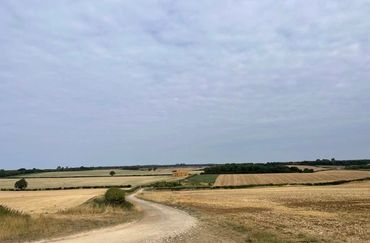
Preserving our countryside photo gallery. Please email stopstamfordsolarcity@yahoo.com with your countryside and wildlife images of the local area.
Contact Us
Next Community Meeting
Dates to be confirmed.
Hours
Open today | 09:00 – 17:00 |